
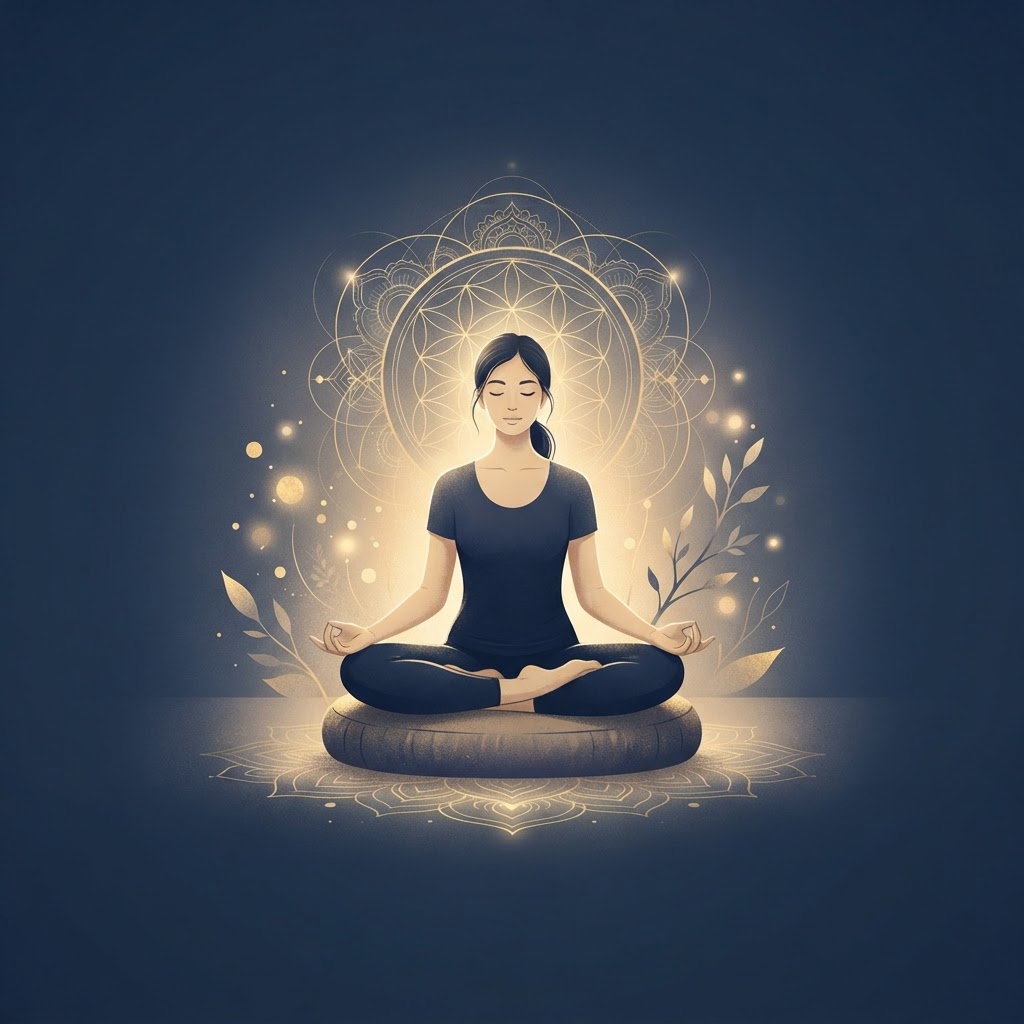
Mindfulness is the practice of being fully present and aware of your current experience without judgment. By dedicating just a few minutes each day to intentional breathing or quiet observation, you can begin to cultivate a greater sense of calm and clarity in your daily life.
What is mindfulness and how does it work?
At its core, mindfulness is about anchoring your attention to the present moment. Many practitioners believe that by observing thoughts, emotions, and physical sensations with curiosity rather than reactivity, we can shift our relationship with stress. It is often experienced as a gentle return to the "now," using the breath as a steady point of focus whenever the mind begins to wander.
How can I start a daily mindfulness practice?
Starting a practice does not require special equipment or hours of free time. You can begin by setting aside five to ten minutes in a quiet space where you feel comfortable. Sit in a stable position, close your eyes, and simply notice the natural rhythm of your breath. When you notice your mind drifting—which is a natural part of the process—gently guide your focus back to the sensation of inhaling and exhaling.
Simple techniques for your daily routine
- Mindful breathing: Focus entirely on the sensation of air entering and leaving your body.
- Body scanning: Slowly bring your awareness to different parts of your body, noticing any tension or relaxation.
- Mindful observation: Choose one object or sound in your environment and observe it with full attention for a few minutes.
Consistency is often more important than duration. Many people find that shorter, frequent sessions are easier to maintain than one long, infrequent practice. You can explore more structured approaches by visiting our Crystal Heart Academy courses to deepen your understanding.
Frequently asked questions
How long should I practice mindfulness each day?
There is no strict rule, but many beginners find that starting with 5 to 10 minutes daily is sustainable. The goal is to build a consistent habit rather than focusing on the length of time.
Do I need to be good at meditation to practice mindfulness?
Not at all. Mindfulness is not about "clearing" your mind or achieving a specific state; it is about noticing where your mind is and returning to the present moment with kindness. Every time you notice your mind has wandered, you are successfully practicing mindfulness.
Can mindfulness help with stress?
Many practitioners believe that mindfulness may support wellbeing by helping to defuse the stress feedback loop. By staying present, you may find it easier to respond to challenges with greater flexibility and less reactivity.
If you are interested in learning more about how to integrate these practices into your life, we invite you to explore Crystal Heart Academy courses to support your ongoing journey.